Sharetown reps don't earn a flat dollar amount per pickup — pay comes from the resale profit on each item after your own costs, so one job can pay very little and the next can pay well. The hidden cost most people miss: gas, storage time, and refurb work (cleaning a mattress, tightening a wobbly dresser leg) eat the margin before the item is ever listed in 2026.
TL;DR
Everyone comparing gig work in 2026 wants a number before applying. For Sharetown, the model isn't hourly and it isn't per-task — it's closer to retail arbitrage. You pick up returned mattresses, furniture, and fitness equipment from premium retailers, then resell them locally and keep what's left after costs.
Becoming a rep with Sharetown makes your resale skill the variable that matters, not a fixed rate card.
There is no single figure, because the payout on any pickup equals your resale price minus what it cost you to get that item sold. These are some of the things to keep in mind as a new rep:
Gas and mileage
Cleaning and sanitizing
Minor repair
Helper labor
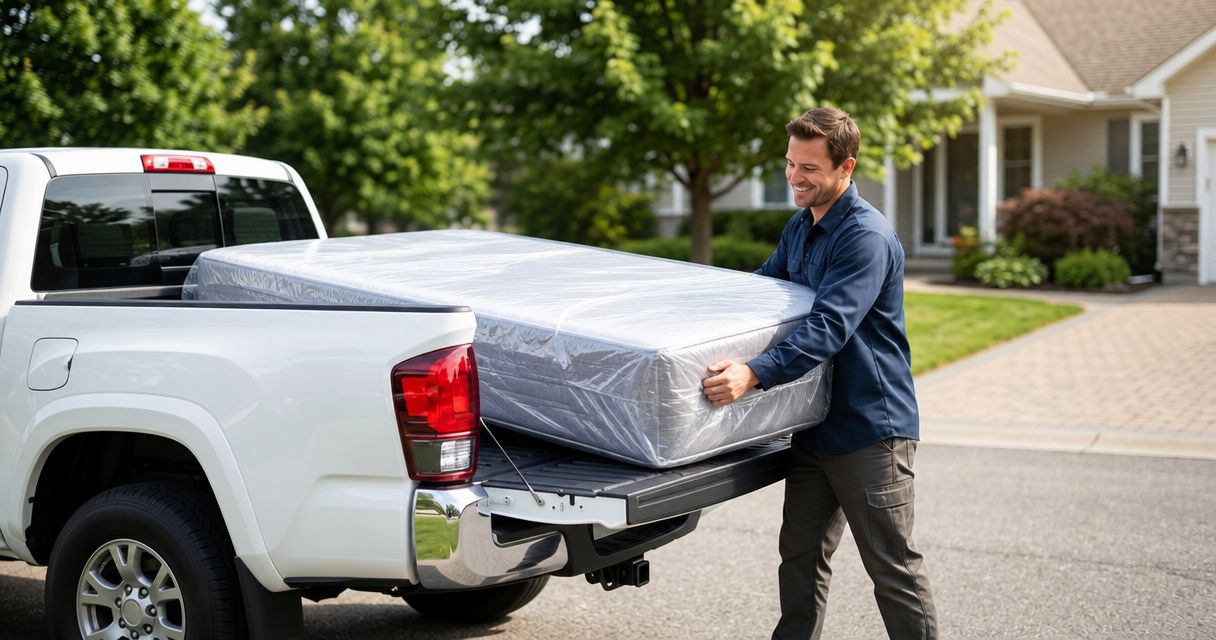
Mattress returns are the core of the Sharetown model and the category most reps see most often. They're awkward but easier to store, and buyer demand is constant year-round.
The work is in the prep. A returned mattress has to be inspected and cleaned before it's worth listing, and that step is non-negotiable if you want repeat buyers. Reps who clean a used mattress properly before reselling list faster and field fewer haggling messages.
Best for: reps with a pickup truck, a clean garage bay, and consistent weekday availability.
Treadmills, ellipticals, rowers, and power racks are the heaviest category and the one with the widest earnings spread. A working treadmill in good cosmetic shape moves fast in January 2026 and slowly in July. Nothing else in the catalog swings that hard by season.
The risk is functional, not cosmetic. Test before you list, and price the ones that need work accordingly.
Best for: reps with a helper, a loading ramp, and space for one or two large units at a time.
Sectionals, dressers, dining tables, bed frames, and recliners are where the per-pickup number varies most, because condition and brand carry the item. A recognizable premium brand in clean condition sells in days. A generic particleboard dresser with a swollen bottom drawer sells in weeks, if at all.
Learning to identify high-value furniture brands worth flipping changes which pickups you say yes to. That single filter does more for your hourly rate than working longer days.
Best for: reps who can photograph and write listings well, and who have covered storage.
Start picking up in your area
See how the Sharetown rep model works and whether your market is open.
Six factors explain nearly all of the spread between reps:
Volume is the lever, not the individual score. One good flip a month is a hobby. A repeatable three to five pickups is a business, because your fixed costs — insurance, fuel, storage — spread across more inventory.
That's why building a resale route for retailer returns is the highest-leverage thing a new rep does in their first 90 days of 2026. Clustering pickups geographically cuts your drive time per item, and drive time is the cost nobody tracks until they do the math.
You get paid when the item sells, and that timing is in your hands: listing quality, pricing, and how quickly you respond to buyers. Reps who want faster cash cycles price for speed rather than for maximum ticket, and they write listings that sell furniture fast instead of posting one blurry photo and waiting.
A vehicle that can carry oversized items, straps and blankets, gloves, and somewhere dry to store inventory. A truck is the obvious answer, but plenty of reps run cargo vans, minivans, and SUVs with a trailer. Start with what you own and upgrade when volume justifies it.
How much do Sharetown reps make per pickup in 2026?
There's no flat per-pickup rate — reps earn the resale profit on each item after their own costs. Category, condition, and local demand set the number.
Is Sharetown paid per hour or per item?
Per item, and only when the item sells. Sharetown reps are independent, so there's no hourly wage, no guaranteed minimum, and no ceiling.
Which pickups pay the most?
Large fitness equipment and premium-brand furniture carry the highest tickets. They also demand more labor, a helper, and more storage space than mattresses.
Do I need a pickup truck to be a Sharetown rep?
You need a vehicle that handles oversized items. Trucks are the common choice, but cargo vans, minivans, and SUVs with trailers all work.
How long does it take to sell a returned mattress?
It depends on your local market and your listing quality. Clean photos, honest condition notes, and a realistic price move items fastest.